Plain-English guide
Something's broken and it's urgent — here's what to do
A burst pipe at 11pm or a switchboard that keeps tripping is exactly when people make expensive, panicked decisions. Here's the calm version: what to make safe first, who to actually call, what a genuine emergency callout costs, and how not to get stung when you're desperate.
First: make it safe
Before you call anyone, stop the damage. Knowing where your shut-offs are — before an emergency — saves thousands.
- Burst or leaking pipe
Turn off the water at the main stop tap (usually near the front boundary or water meter). Then turn on a tap to drain the line and reduce pressure.
- Electrical fault, sparking or burning smell
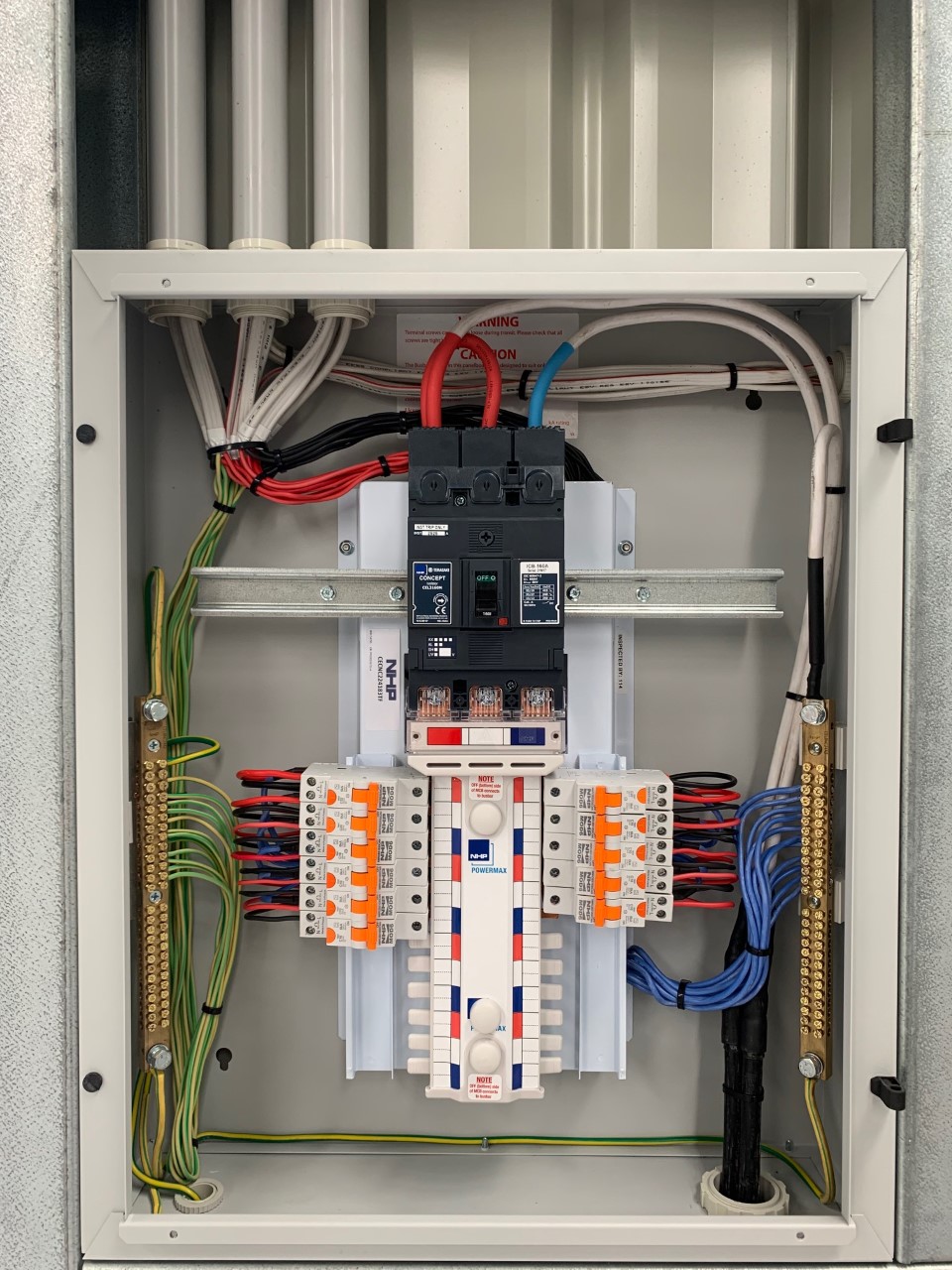
Switch off the affected circuit — or the main switch — at the switchboard. Don't touch anything sparking or wet. If there's fire or smoke, get out and call 000.
- Gas smell
Don't flick switches or light anything. Turn off the gas at the meter, open windows, get everyone outside, and call your gas provider's emergency line (and 000 if it's strong).
- Blocked drain overflowing
Stop using water in the house, and if sewage is backing up, keep clear — it's a health hazard until a plumber clears it.
Who to actually call
For water, gas or hot water: a licensed plumber/gasfitter. For anything electrical: a licensed electrician. For a total power outage where the whole street is dark, check your electricity distributor first — it may be a network fault they'll fix for free, not something you need to pay a tradie for.
In a genuine emergency, speed matters more than getting three quotes — but you can still be quick and careful. Look for a local tradie who clearly advertises 24/7 or emergency callouts, has real reviews, and will tell you the callout fee on the phone before they come out. A pro will give you that number without fuss.
What an emergency callout costs
Expect a callout fee — commonly in the range of $100–$300 — plus labour, and after-hours, weekend and public-holiday rates are higher than a normal daytime booking. That's legitimate: someone's leaving their home at midnight. What's not legitimate is a vague 'we'll sort the price out later' or a number that balloons once they're on site.
Ask two questions on the phone: what's the callout fee, and roughly what's the hourly or job rate once they're here? Get the answer before they're dismantling your bathroom. If a repair turns out to be big, a good tradie will stabilise the emergency (stop the leak, make it safe) and quote the full fix separately rather than doing it all in the heat of the moment.
Don't let panic cost you
The pressure of an emergency is exactly what a small number of operators exploit — inflated after-hours pricing, unnecessary work, or 'you need the whole thing replaced' when a repair would do. You can protect yourself even at speed: confirm the callout fee up front, pay by a traceable method, and keep the invoice.
And once the crisis is handled, that's the time to build a relationship with a good local tradie for next time — so the next emergency is a quick call to someone you trust, not a panicked search. Below are top-rated local plumbers and electricians on the directory; it's worth saving one before you need them.
Top-rated plumbers on the directory

Rather have tradies come to you?
Post your job once and top-rated local tradies get back to you — free, no obligation, and no per-lead fees to them.
Post your job — freeCommon questions
What should I do first in a plumbing emergency?
Turn off the water at the main stop tap (usually near your water meter or front boundary), then open a tap to drain the pressure. For a gas smell, turn off the gas at the meter, don't touch switches, ventilate and get outside. Making it safe comes before making the call.
How much does an emergency tradie callout cost?
Typically a callout fee of around $100–$300 plus labour, with after-hours, weekend and public-holiday rates higher than daytime. Always ask for the callout fee and rough job rate on the phone before they come out — a genuine operator will tell you.
Is a power outage an emergency I need to pay for?
Not always. If the whole street is out, it's usually a network fault your electricity distributor fixes for free — check with them first. If only your home has lost power, or power keeps tripping, that's an electrician job.
How do I avoid being overcharged in an emergency?
Confirm the callout fee and rate up front, use a licensed tradie with real reviews, pay by a traceable method, and keep the invoice. If the full repair is large, a good tradie will make the emergency safe first and quote the bigger fix separately rather than pressuring you in the moment.
General information only, not legal advice. Licensing and insurance requirements vary by state and territory and change over time — always confirm current requirements with your state regulator and get professional advice before acting.