Plain-English guide
Hiring tradies as a landlord or property manager
Rental maintenance is relentless, time-sensitive, and legally loaded — get a repair wrong and you're exposed on tenancy law, insurance and tax. Here's how to handle tradies on a rental: your obligations, what counts as urgent, and how to build a bench of reliable locals so every callout isn't a scramble.
Your repair obligations, in plain terms
Across Australia, a landlord has to keep a rental in a reasonable state of repair and meet minimum standards — the exact rules are set by each state or territory's residential tenancies law and administered by bodies like NSW Fair Trading, Consumer Affairs Victoria, and the RTA in Queensland. Broadly: you're responsible for repairs and maintenance that aren't caused by the tenant, and there are specific rules around timeframes and access.
The practical upshot is that repairs fall into two buckets — urgent and non-urgent — and the difference changes how fast you have to act and who can authorise the work. Getting that distinction right is most of the job.
Urgent vs non-urgent — and why it matters
Because urgent repairs run on a clock — and tenants can commission them at your expense if you're unreachable — the single most valuable thing a landlord or property manager can have is a pre-vetted list of licensed local tradies who answer the phone. That's what turns a 10pm 'the hot water's gone' into a two-minute call instead of a compliance risk.
| Type | Examples & response |
|---|---|
| Urgent | Burst pipe, no hot water, gas leak, dangerous electrical fault, blocked/broken toilet, serious storm damage, anything unsafe. Must be actioned fast — tenancy laws let tenants arrange urgent repairs up to a capped amount if they can't reach you. |
| Non-urgent | A dripping tap, a sticking door, tired paint, general wear. Handled in a reasonable timeframe through the normal request-and-quote process. |
Always use licensed and insured tradies
On a rental this isn't optional caution — it's protection. If unlicensed work causes damage or injury, your landlord insurance can be void and your liability exposure is real. Use licensed practitioners for anything electrical, plumbing or gas (mandatory everywhere), confirm the tradie carries public liability insurance, and keep the paperwork.
It also protects the tenant relationship: licensed, insured, reviewed tradies do tidier work, turn up, and don't create follow-on problems you'll be paying to fix. On this directory, listings showing an 'ABN Verified' badge have had their ABN checked automatically, and you can filter and compare by verified reviews before you add anyone to your list.
Keep records — for tax and for disputes
Every repair on an investment property is a potential tax deduction, and the rules differ between a repair (generally deductible in the year) and a capital improvement (depreciated over time) — worth a word with your accountant, but either way you need the invoices. Keep them with the tradie's ABN, what was done, and the date.
Good records also protect you at a tribunal. If a bond dispute or a repair-timeframe complaint ever lands at NCAT, VCAT or QCAT, a clean paper trail of who you called, when, and what they did is exactly what decides it in your favour. Below are top-rated local trades to start building your list — or post a job and let suitable licensed locals come to you.
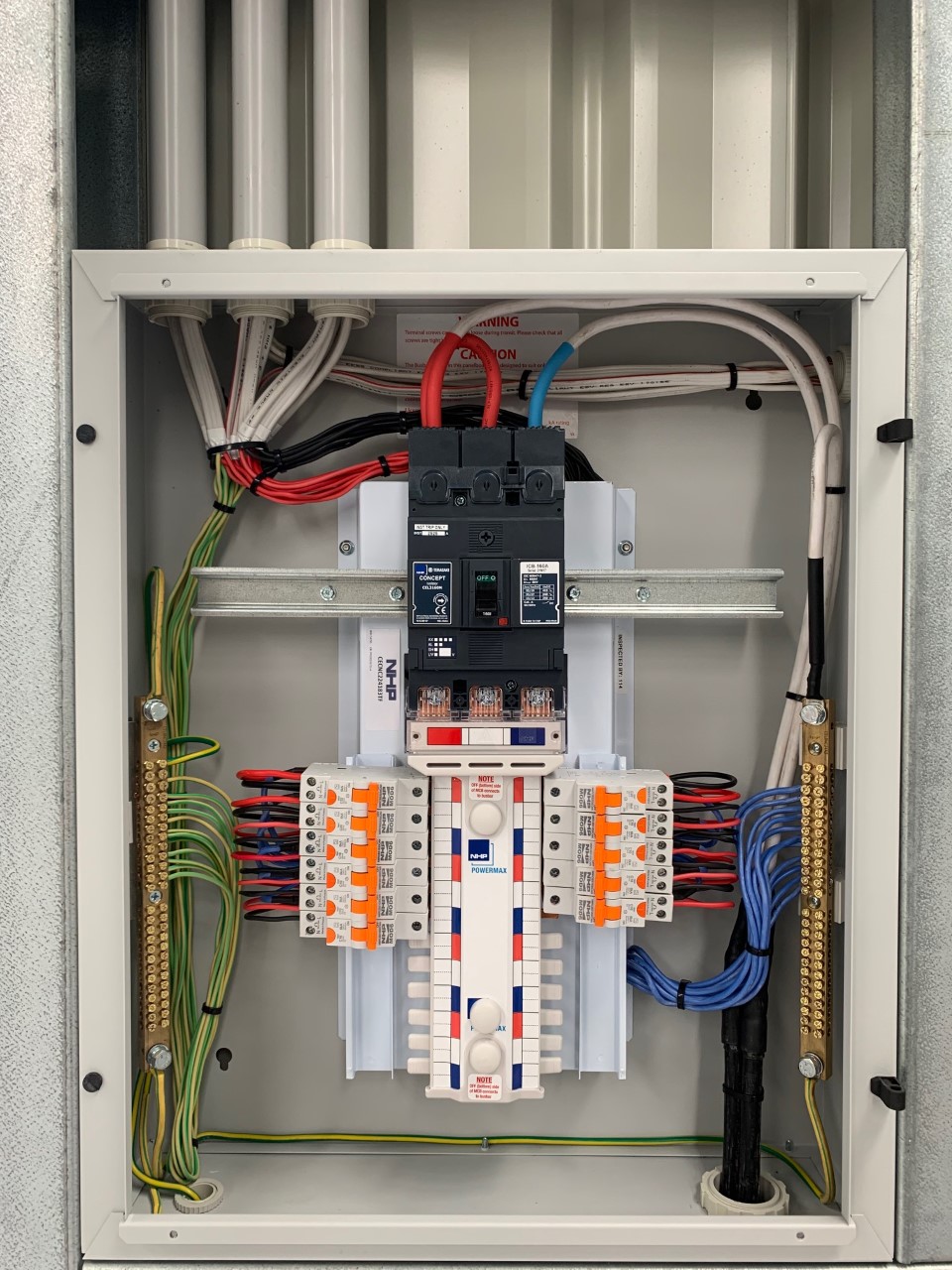
Top-rated plumbers on the directory

Rather have tradies come to you?
Post your job once and top-rated local tradies get back to you — free, no obligation, and no per-lead fees to them.
Post your job — freeCommon questions
Who is responsible for repairs in a rental — landlord or tenant?
Generally the landlord is responsible for keeping the property in a reasonable state of repair and for damage not caused by the tenant, under each state's residential tenancies law. Tenants are responsible for damage they cause and for keeping the place reasonably clean. Urgent safety repairs have special fast-track rules.
What counts as an urgent repair on a rental?
Things like a burst pipe, no hot water, a gas leak, a dangerous electrical fault, a blocked or broken toilet, or serious storm damage. Tenancy laws treat these as urgent — and if a landlord or agent can't be reached, tenants can usually arrange the repair themselves up to a capped amount and be reimbursed.
Do I have to use a licensed tradie for rental repairs?
For electrical, plumbing and gas work, yes — it's mandatory everywhere, and unlicensed work can void your landlord insurance and expose you to liability. For all trades, using licensed, insured and reviewed tradies protects you, your insurance and your tenant relationship.
Are repairs on an investment property tax deductible?
Often, yes — but the treatment differs between a repair (generally deductible in the year incurred) and a capital improvement (depreciated over time). Keep every invoice with the tradie's ABN and confirm the specifics with your accountant.
General information only, not legal advice. Licensing and insurance requirements vary by state and territory and change over time — always confirm current requirements with your state regulator and get professional advice before acting.