Plain-English guide
The right order to renovate: which trades come first
Booking trades in the wrong order is how a renovation blows its budget — a tiler who starts before the waterproofer, or a painter before the electrician, means work gets ripped up and done twice. Here's the sequence the pros follow.
Why order matters more than you'd think
Every trade depends on the one before it being finished. Plumbing and electrical wiring have to go in before the walls are closed up. Waterproofing has to be done and certified before a single tile goes down. Painting is near the end, because everyone before them creates dust and marks. Get the sequence wrong and you're paying to undo and redo work — the fastest way a reno spirals over budget.
On a big job, a builder or project manager coordinates this for you. On a smaller one you're managing it yourself, and knowing the running order is what keeps trades from tripping over each other.
The standard sequence
| Stage | What happens |
|---|---|
| 1. Design & approvals | Plans, permits and any council or building approvals before anyone lifts a tool. |
| 2. Demolition & strip-out | Remove what's going. Skip bins, safe asbestos handling if it's an older home. |
| 3. Structural | Any framing, walls moved, beams, extensions — the bones, by a builder/carpenter. |
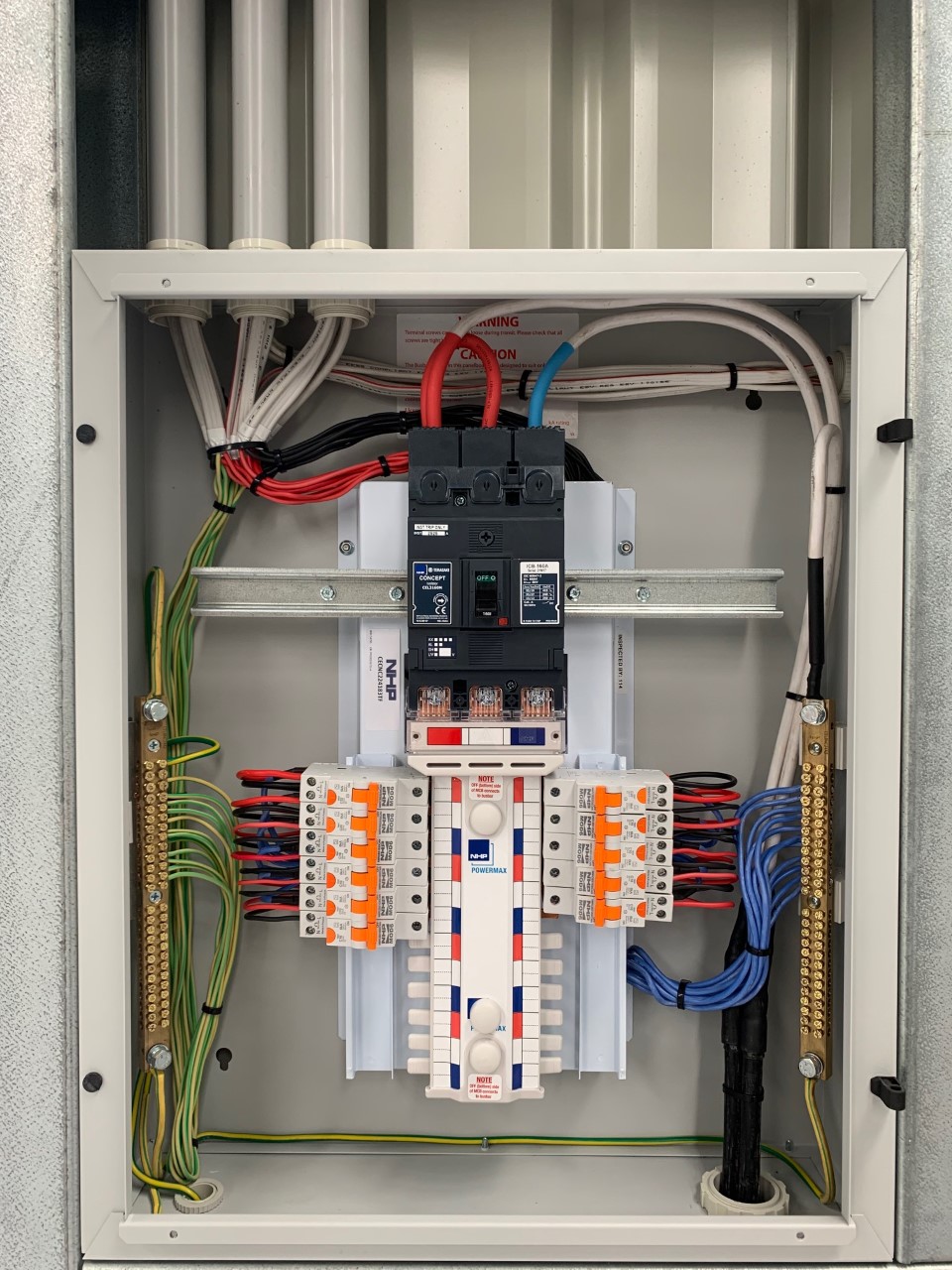
| 4. Rough-in (plumbing & electrical) | Pipes and wiring run inside open walls and floors, before they're closed. Air-con lines too. |
| 5. Waterproofing | Wet areas sealed and certified. This MUST happen before tiling — non-negotiable. |
| 6. Plastering & lining | Walls and ceilings sheeted, set and sanded. |
| 7. Tiling & flooring | Floors and wall tiles, on top of finished waterproofing. |
| 8. Fit-off | Plumber and electrician return to install taps, toilets, powerpoints, lights, switchboard. |
| 9. Cabinetry & joinery | Kitchen, vanities, wardrobes installed and connected. |
| 10. Painting | Near the end, once the dust-makers are done. |
| 11. Finishing & clean | Final trims, silicone, hardware, builder's clean and handover. |
The two mistakes that cost the most
- Tiling before waterproofing is certified
The number-one bathroom disaster. A failed or missing membrane means leaks months later and ripping the whole room out. Waterproofing is its own regulated step — get the certificate before tiles go down.
- Finishing trades before rough-in
Plastering or painting before the plumbing and electrical rough-in is complete means opening the walls back up. Rough-in first, always — while the walls are still open.
Managing it without a builder
If you're coordinating trades yourself, the key is booking ahead and sequencing so each trade arrives when the previous stage is genuinely finished — not almost. Build in buffer: trades run late, materials get delayed, and a tiler who turns up to an un-waterproofed room just leaves (and still charges a call-out).
Line up your key trades early — good ones are booked out weeks ahead — and be clear with each about what's done before them and who's coming after. Below are top-rated local trades on the directory to get quotes from, or post your job once and let suitable locals come to you.
Top-rated builders on the directory


Rather have tradies come to you?
Post your job once and top-rated local tradies get back to you — free, no obligation, and no per-lead fees to them.
Post your job — freeCommon questions
What order do trades work in a renovation?
The standard sequence is: design and approvals, demolition, structural work, plumbing and electrical rough-in, waterproofing, plastering, tiling and flooring, fit-off (taps, powerpoints, lights), cabinetry, painting, then finishing and clean. Each stage depends on the one before being complete.
Does waterproofing go before or after tiling?
Before, always. Waterproofing a wet area is a regulated step that must be completed and certified before any tiling begins. Tiling over missing or failed waterproofing is the most common (and expensive) bathroom-renovation mistake.
When do the plumber and electrician come in?
Twice. First for 'rough-in' — running pipes and wiring while the walls are open, early in the job — and again for 'fit-off' near the end, to install taps, toilets, powerpoints, lights and connect the switchboard.
Do I need a builder to manage the trades?
For a large or structural renovation, a builder or project manager coordinating the sequence is usually worth it. For a smaller single-room job you can manage the trades yourself — the key is booking ahead and making sure each stage is genuinely finished before the next trade arrives.
Want a price estimate? Bathroom Renovation cost calculator →
General information only, not legal advice. Licensing and insurance requirements vary by state and territory and change over time — always confirm current requirements with your state regulator and get professional advice before acting.